
Your First Two Weeks After Botox or Dysport: What to Expect and When to Call
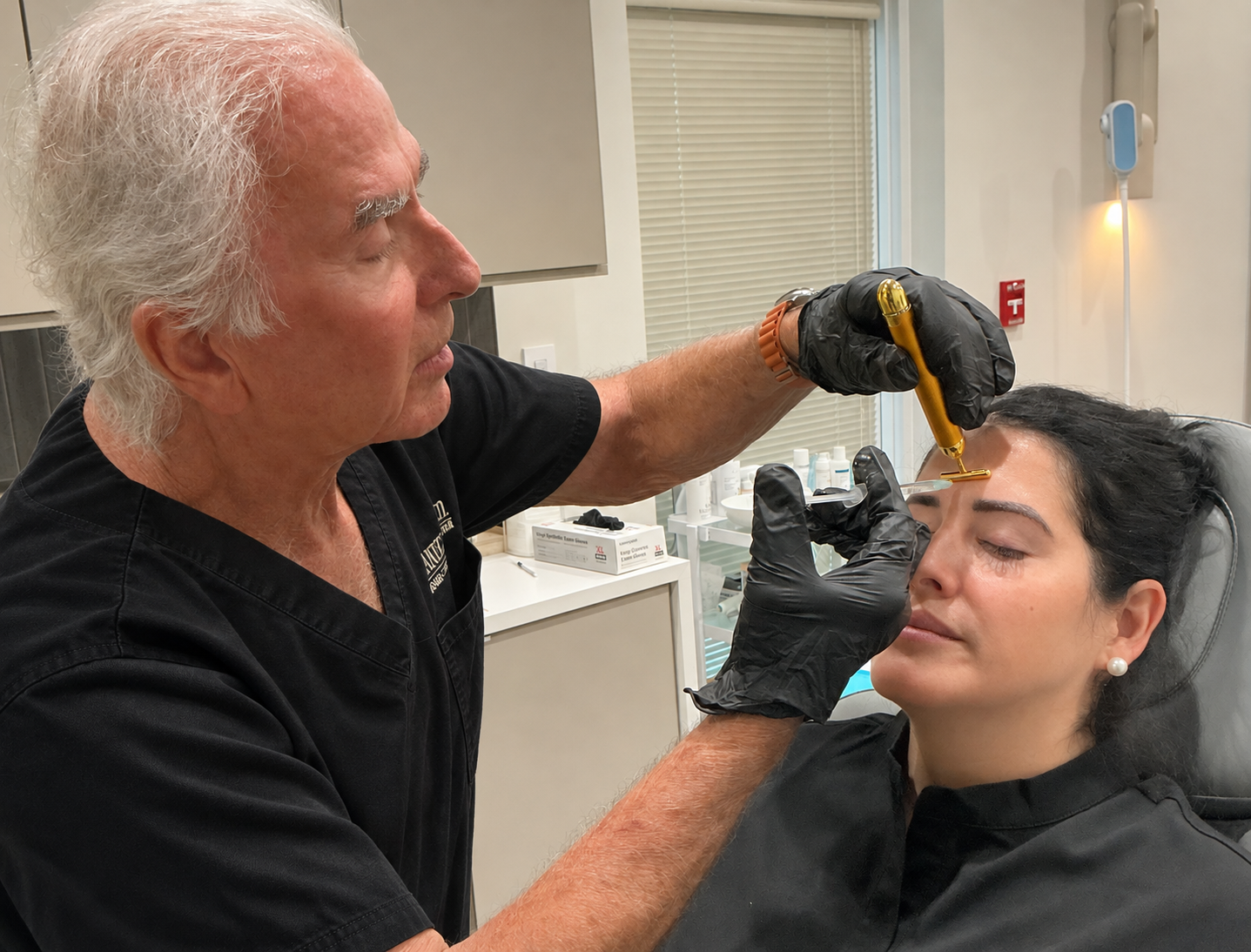
You have had Botox or Dysport, and now you are watching the mirror for changes. A little redness or tenderness around an injection site can happen, but the result is not immediate. Changes typically develop over several days, and your injector can help you judge the result at your planned follow-up. Knowing what to watch for can make the wait less stressful.
These are general expectations, not a substitute for your clinician’s instructions. Your treatment area, medical history, product and injection plan all matter. If your symptoms concern you, contact your treating clinician rather than waiting for a calendar milestone.
The day of treatment
Small bumps, redness, tenderness or bruising can occur where the needle entered the skin. They are usually temporary. You may also have a headache. Ask your clinician what is appropriate for discomfort, especially if you take medicines that affect bleeding or have other health conditions.
Follow the individualized instructions you received about touching the area, exercise, heat and skin care. If you are unsure whether to resume an activity, call the office. Avoid starting or stopping a prescribed medicine unless the clinician who prescribes it advises you to do so.
Over the next several days
Movement may begin to soften gradually rather than all at once. The American Academy of Dermatology notes that most people see results in three to seven days. The experience can vary, and early changes do not tell you exactly what your final result will look like. Botox and Dysport are different prescription products, and their units are not interchangeable. Your own result depends on more than the product name.
Take a clear photo in consistent lighting if you want a useful comparison. Note the date and any questions for your injector. Try not to judge symmetry from one expression or from a picture taken immediately after the procedure.
By the end of the second week
If you notice a drooping eyelid or eyebrow or an unexpected change in expression, contact your clinician promptly rather than waiting for follow-up. At a recommended follow-up, discuss any concerns about symmetry or the result. A clinician can assess what is happening and whether any action is appropriate. Do not arrange additional injections on your own before that assessment.
A result that feels subtle may be intentional, but only your injector can review your treatment plan with you. Effects are temporary; the American Academy of Dermatology describes results lasting about three to four months or longer, with variation between people. That is a general estimate, not a promise for a particular person or treatment area.
When to contact your clinician
Call your treating clinician promptly if you have symptoms that are worsening, persist longer than expected, or worry you. Examples include increasing redness, swelling or pain around an injection site; a drooping eyelid or eyebrow; or an unexpected change in your expression. Tell the office when you were treated, where you were injected, which product you received if known, and when the symptoms started. A photo may help, but it should not delay a call.
When to seek emergency help
Get emergency medical help immediately if you develop trouble breathing, swallowing or speaking. In the United States, call 911. New generalized muscle weakness or vision changes also need immediate medical evaluation. Effects of botulinum toxin can spread beyond the injection area, and serious symptoms can occur hours to weeks after injection. Do not wait for a routine follow-up or an office call back.
Preparing for your next appointment
Bring your questions and your list of medicines and supplements, and tell your clinician about relevant medical conditions and pregnancy or pregnancy plans. Ask what recovery and follow-up are appropriate for you. If you are planning around travel or an event, discuss the date before booking treatment so there is room for an individualized assessment.
Related reading
Botox or Dysport? A Guide to Naturally Refined Results
Contact Luxe Arte Aesthetics about a consultation
Sources
- 1. American Academy of Dermatology. Botulinum toxin therapy: Overview. https://www.aad.org/public/cosmetic/wrinkles/botulinum-toxin-overview
- 2. American Academy of Dermatology. Botulinum toxin therapy: Preparation. https://www.aad.org/public/cosmetic/wrinkles/botulinum-toxin-preparation
- 3. U.S. Food and Drug Administration. BOTOX Cosmetic prescribing information, 2024 label. https://www.accessdata.fda.gov/drugsatfda_docs/label/2024/103000s5316s5319s5323s5326s5331lbl.pdf
- 4. U.S. Food and Drug Administration. Dysport prescribing information, 2023 label. https://www.accessdata.fda.gov/drugsatfda_docs/label/2023/125274s125lbl.pdf
- 5. American Society for Dermatologic Surgery. Questions to ask about cosmetic procedures. https://www.asds.net/skin-experts/about-asds/dermatologic-surgery/cosmetic-procedure-questions
- 6. American Academy of Dermatology. Botulinum toxin therapy: FAQs. https://www.aad.org/public/cosmetic/wrinkles/botulinum-toxin-faqs
Related Information
Related Treatments
Botox, Dysport
Related Skin Concerns
Expression lines, Wrinkles
Ready to Learn More?
Schedule a consultation to discuss your aesthetic goals and discover which treatments are right for you.
Book ConsultationMore Articles