
Skin Changes During Perimenopause and Menopause: Dryness, Texture, and What to Discuss at Your Consultation

Your usual moisturizer may no longer feel sufficient. Makeup may settle differently, your cheeks may feel tight after cleansing, or products you once tolerated may suddenly sting.
Skin changes during perimenopause and menopause can be frustrating, particularly when your routine has not changed. Hormonal shifts can contribute to dryness and thinning, while normal aging, sun exposure, medications and other health conditions also influence your skin. An individual assessment helps distinguish these factors rather than attributing every new concern to menopause. National Institute on Aging
The goal is comfortable, healthy-looking skin and a plan that suits your priorities. You do not need to treat every visible change.
Why does my skin feel different?
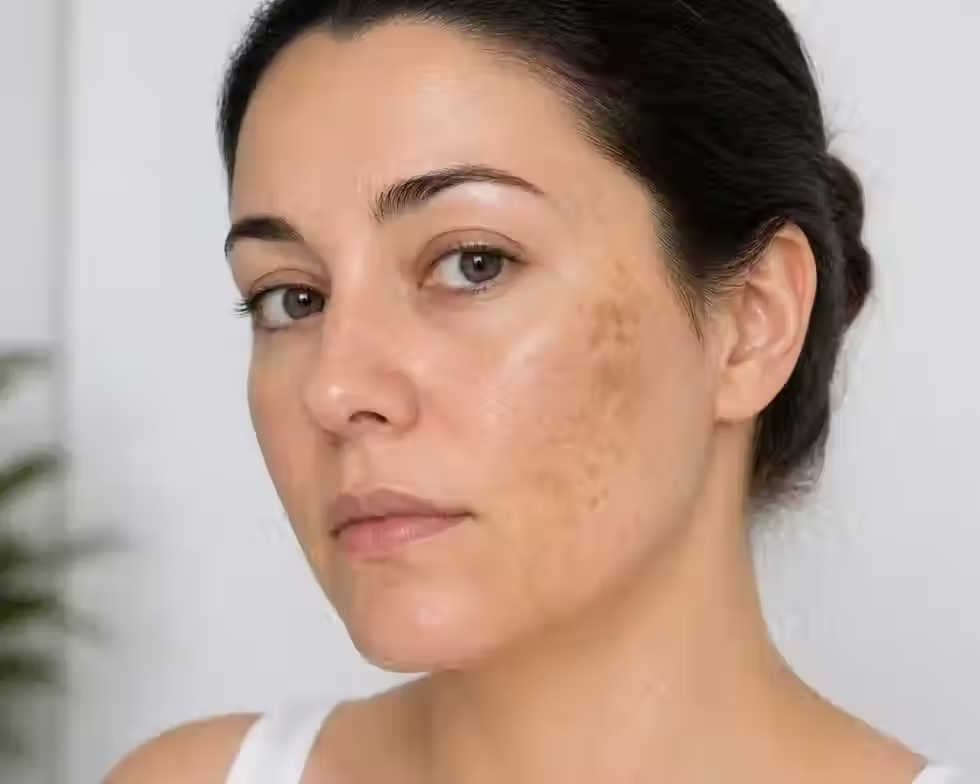
During the menopause transition, changes in hormone levels can affect skin hydration, collagen and healing. You may notice less firmness, more visible lines or a change in texture. Some people also develop breakouts despite feeling drier than before.
These changes are not identical for everyone. Skin that looks rougher may have surface dryness, sun damage, irritation or several concerns together. The right next step depends on the cause, not simply your age or stage of menopause. Clinical guidance on skin changes
Dryness, sensitivity and texture are different concerns
Dryness can feel tight or itchy and may cause flaking. Skin may look less smooth when it is not retaining moisture well.
Sensitivity may show up as burning, stinging or redness after products. A routine that was comfortable years ago may need adjustment.
Texture changes can include roughness, fine lines or unevenness. Moisturizer may improve the appearance of dryness, but it does not address every cause of altered texture.
Persistent irritation, worsening eczema or rosacea, or a rash deserves medical assessment rather than progressively stronger exfoliation. American Academy of Dermatology
Start with a comfortable daily routine
Before considering a procedure, review what touches your skin every day.
Use a gentle cleanser that does not leave your face feeling stripped.
Choose a non-irritating, preferably fragrance-free moisturizer.
Use broad-spectrum, water-resistant sunscreen with SPF 30 or higher, alongside shade and protective clothing.
Ask whether active ingredients such as retinoids or exfoliating acids still suit your skin and how often to use them.
You do not need to add several new products at once. A simpler routine makes it easier to identify what is helping and what may be irritating your skin. Australasian College of Dermatologists
Which Luxe Arte treatments might be discussed?
Luxe Arte provides facials, chemical peels and laser skin rejuvenation. These services address different concerns; none is a universal treatment for “menopausal skin.”
A tailored facial
Luxe Arte’s facial menu includes the Signature Facial and options designed for sensitive or dehydrated skin. A consultation can help determine whether a gentle, hydration-focused facial fits your current needs.
A facial does not diagnose or treat a hormonal disorder, replace medical care for a rash, or permanently reverse age-related skin changes. When the skin is irritated, modifying or postponing treatment may be more appropriate than proceeding with a standard protocol. Explore facial services
Chemical peels
For selected patients, a chemical peel may help with surface texture or uneven pigmentation. Peel selection should consider skin sensitivity, skin tone, medications, previous reactions and recovery time.
More intensive treatment is not automatically better. Peels can cause prolonged redness, pigment changes, infection or scarring. Preparation and aftercare matter, and a plan may involve a series rather than one aggressive treatment. AAD: Chemical peels
Laser skin rejuvenation
Luxe Arte lists fractional CO₂ resurfacing among its services. Laser resurfacing may be discussed for selected texture, wrinkle or sun-damage concerns after an assessment.
It is not a first-step solution for every case of dry or reactive skin. Suitability depends on the treatment, your skin and medical history, and your ability to follow recovery instructions. Risks include pigment changes, infection and scarring; downtime varies. American Society for Dermatologic Surgery
What should I bring up at my consultation?
A useful consultation starts with your experience, not a list of procedures. Consider bringing:
Your main concern: discomfort, flaking, redness, rough texture, pigmentation or lines.
A timeline: when it began and whether symptoms fluctuate.
Your current products: photographs of labels can help.
Your medical and treatment history: including medications, allergies, cold sores, eczema, rosacea, prior procedures and healing problems.
Your practical limits: upcoming travel, sun exposure, recovery time and budget.
Ask: “What do you think is causing this?” “Should we improve comfort before treating texture?” “What result is realistic?” and “What would make you recommend waiting?”
A good plan may begin with home-care adjustments or a referral rather than an aesthetic procedure.
When should I see a dermatologist or another clinician?
Do not assume a new or changing spot is simply an age spot. A persistent rash, worsening skin condition, bleeding lesion or sore that does not heal should be medically assessed before cosmetic treatment. AAD: Menopause and skin health
For broader concerns such as hot flashes, menstrual changes, sleep disruption or genital symptoms, speak with the clinician managing your menopause care. An aesthetic consultation does not replace that evaluation.
Frequently asked questions
Can my skin be dry and acne-prone at the same time?
Yes. Breakouts can occur during the menopause transition, even as skin becomes drier. Avoid assuming that stronger, more drying acne products are the answer. Persistent acne may need dermatologic treatment.
Should I exfoliate more because my skin feels rough?
Not automatically. Roughness can reflect irritation or dryness. Increasing exfoliation before understanding the cause may make discomfort worse.
Do I need hormone therapy for my skin?
Hormone therapy is a medical decision based on symptoms, health history and individual benefits and risks. The Menopause Society does not recommend estrogen-containing hormone therapy solely for age-related skin changes. Do not start, stop or repurpose a prescribed hormone product for your face without discussing it with your prescribing clinician. The Menopause Society
Can treatment bring back the skin I had before menopause?
No treatment can guarantee that. Appropriate care may improve comfort and selected visible concerns, but aging continues and results vary. A realistic plan focuses on what matters to you now.
An individual skin consultation in Palm Beach Gardens
If your skin feels different during perimenopause or menopause, you do not have to choose a treatment before asking for guidance.
At Luxe Arte Aesthetics in Palm Beach Gardens, begin with an assessment of your skin, current routine and goals. Book an in-person facial consultation to discuss suitable options, their limitations and whether medical evaluation should come first.
This article provides general education and does not replace individualized medical advice.
Related guide: Sensitive Skin Before a Facial or Peel
Related guide: Choosing the Right Facial and Skincare Products
Related guide: Facials and chemical peels at Luxe Arte


Comments