
Sculptra: What to Expect From Consultation to Gradual Results
Sculptra is an injectable dermal filler made with poly-L-lactic acid (PLLA). It works gradually, supporting the body’s own collagen response rather than providing a finished result at the appointment. If you are considering it, understanding the consultation, recovery and follow-up can help you decide whether it fits your goals. [1, 2]
What can Sculptra treat?
For people whose immune systems function normally, the FDA has approved Sculptra to correct shallow to deep nasolabial fold contour deficiencies and other facial wrinkles, and to improve fine lines and wrinkles in the cheeks. It also has a separate indication for facial fat loss associated with HIV. Approval is specific to the product and use; it does not establish that every area or concern is suitable. Sculptra should not be injected into the pink part of the lip. [1, 2]
Sculptra can be described as a collagen stimulator, but it is also a dermal filler. It is not a substitute for a surgical facelift, and the right approach depends on what you want to change. A consultation may lead to a different treatment or no treatment at all.
What happens at the consultation?
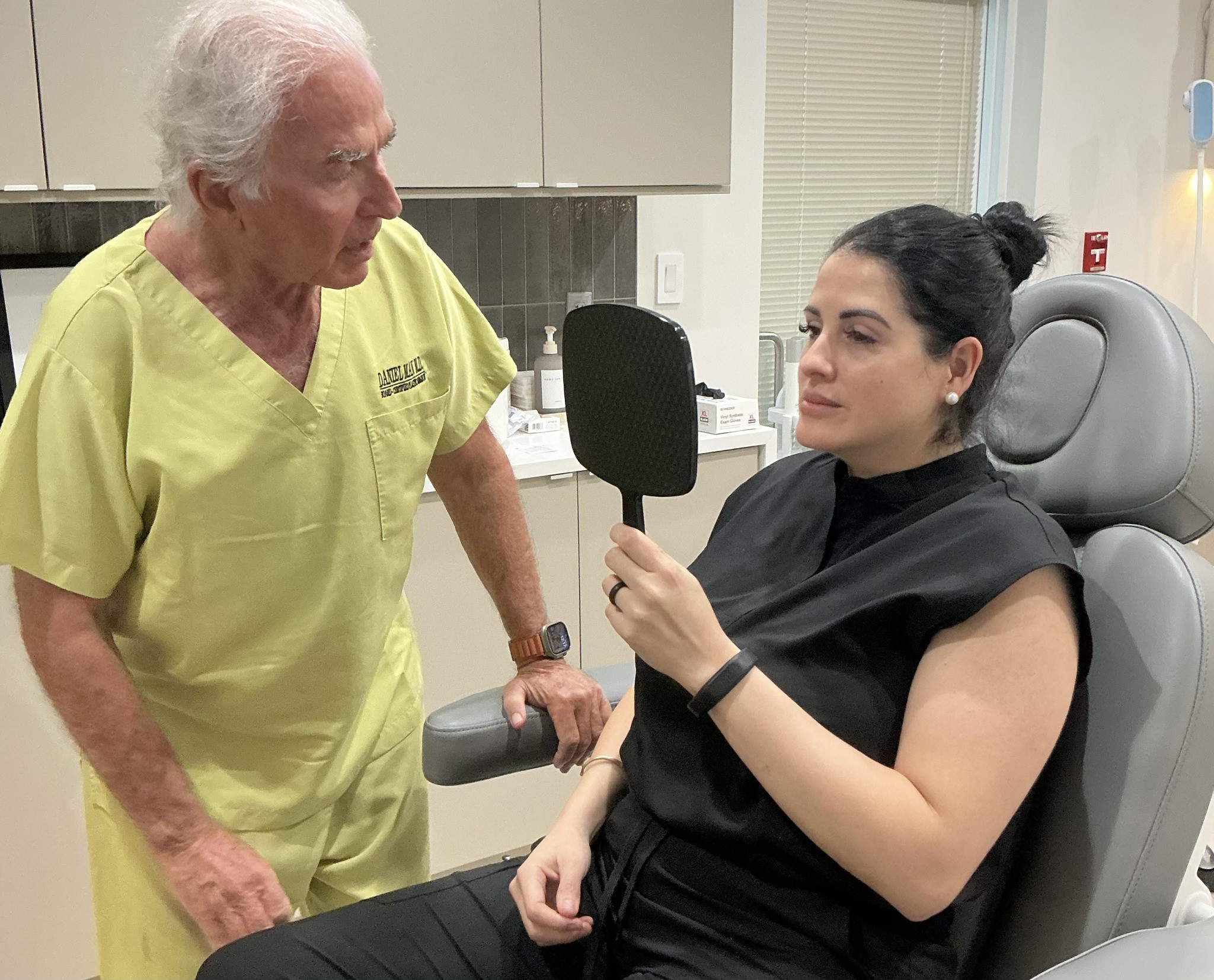
Your clinician should ask about your goals, examine your facial anatomy, and discuss the proposed treatment area, likely benefit and limitations. Bring a list of medications and supplements, previous facial injections or procedures, allergies, medical conditions and any history of abnormal scarring. Mention pregnancy or breastfeeding, because safety in those circumstances has not been established. [1, 2]
Sculptra is contraindicated for people with severe allergies marked by a history of anaphylaxis, a history or presence of multiple severe allergies, hypersensitivity to its components, or a history of or susceptibility to keloid formation or hypertrophic scarring. Tell the clinician if you are allergic to lidocaine, which may be added for comfort. Treatment should be postponed in areas with active infection or inflammation. Your clinician can help assess other individual risks and whether treatment is appropriate. [1, 2]
Ask who will perform the injections, which product will be used, how many visits may be needed, what the complete estimated cost includes, and how the practice handles complications. Discuss any proposed use outside the FDA-approved labeling and why it is being considered. Ask for the plan in writing if that would help you make a decision.
What happens during treatment?
If you decide to proceed, the clinician will prepare the area and inject the product according to an individualized plan. You may feel discomfort during injections. A clinician may discuss options to make treatment more comfortable, including local anesthetic when appropriate. [2]
A treatment plan may involve more than one visit. The number and timing depend on the area treated, your response and the clinician’s assessment. Ask when you should return and how progress will be assessed. There is no single number of visits or amount that is right for everyone. [1]
What should I expect afterward?
Temporary swelling, redness, tenderness, pain, bruising or itching can occur at injection sites. Early fullness may partly reflect swelling and the liquid used to prepare the product; it can diminish within hours or days. That early change is not the final result. [1, 2]
Your clinician should give you individual aftercare instructions and a contact plan. The FDA patient guide recommends massaging the treatment area for five minutes, five times a day, for five days after treatment. Confirm the technique and any instructions specific to you with your treating clinician. The current instructions for use also advise avoiding excessive sunlight, UV lamp exposure and extreme temperatures until initial swelling and redness resolve. [1, 2]
Call your treating clinician if symptoms concern you, worsen or do not settle as expected. Small lumps or nodules can appear later, sometimes months after treatment; some may be felt rather than seen, and some can be associated with inflammation. Report new lumps or changes even if considerable time has passed. In a five-year observational study, 28.5% of 867 treated participants had injection-site papules or nodules; some were felt rather than seen. The study used a 5 mL reconstitution across multiple facial areas, and 661 participants completed the five-year follow-up. The rate exceeded the study’s prespecified 21% threshold and is not a personalized prediction. [1, 4]
When will I see results, and how long might they last?
Changes develop gradually over weeks as the body responds. Your clinician may use follow-up visits and photographs to assess progress and decide whether more treatment is appropriate. Individual results and the timing of visible improvement vary. [1, 2]
In a study of people treated for nasolabial folds, improvement was observed through 25 months after treatment. That finding is not a promise that an individual result will last that long. The people studied were predominantly White women with lighter skin types, so the findings should not be assumed to describe every patient or treatment area. [1, 3]
What risks need urgent attention?
As with other fillers, accidental injection into a blood vessel is rare but can cause serious complications, including tissue death, blindness or stroke. Seek immediate medical attention if you notice unusual pain, skin turning white, changes in vision, or signs of stroke during or shortly after treatment. These can include sudden weakness, difficulty speaking, facial drooping or a severe headache. Tell the treating clinician immediately as well. [1, 2]
Before treatment, ask how to reach the clinician urgently, including outside office hours, and where to go if symptoms occur. Understanding the benefits and risks gives you room to make an informed decision without feeling rushed.
Questions to bring to your consultation
- Is Sculptra appropriate for my concern and medical history?
- Is the proposed treatment area within FDA-approved labeling?
- What improvement is realistic for me, and when should we reassess?
- What is included in the estimated cost, including any follow-up treatments?
- What aftercare should I follow, and whom should I contact if I develop a problem?
For a personalized discussion, contact Luxe Arte Aesthetics in Palm Beach Gardens. This article is general education and does not replace an individual medical assessment. Treatment suitability and results vary.
Related reading
Botox, Dermal Fillers, and Sculptra: Different Treatments, Different Purposes
Preparing for Your Aesthetic Consultation in Palm Beach Gardens
Sources
- [1] Sculptra. US Instructions for Use, 2023. https://www.sculptrausa.com/sites/default/files/2023-09/Sculptra-e-IFU-USA.pdf
- [2] FDA. Sculptra Patient Guide, P030050/S039. https://www.accessdata.fda.gov/cdrh_docs/pdf3/P030050S039d.pdf
- [3] Narins RS, et al. A randomized study of the efficacy and safety of injectable poly-L-lactic acid versus human-based collagen implant in the treatment of nasolabial fold wrinkles. Journal of the American Academy of Dermatology. 2010. https://pubmed.ncbi.nlm.nih.gov/20159311/
- [4] FDA. Sculptra Aesthetic post-approval study, final five-year report. https://www.accessdata.fda.gov/scripts/cdrh/cfdocs/cfPMA/pma_pas.cfm?c_id=305&t_id=374367
Ready to Learn More?
Schedule a consultation to discuss your aesthetic goals and discover which treatments are right for you.
Book ConsultationMore Articles