Acne Marks or Acne Scars? How the Difference Changes Treatment Planning
A breakout has healed, but the evidence of it is still there. You may notice a pink or brown spot, a shallow dip, or several changes in the same area. These are often grouped together as “acne scars,” yet a flat mark and a change in skin texture are different concerns. Recognizing the difference helps you ask better questions and choose a treatment plan that fits what you actually see.
A mirror can offer clues, but it cannot confirm a diagnosis. A qualified clinician can examine the area, consider your skin and medical history, and help decide whether you are dealing with lingering color, a scar, active acne, or a combination.
What are acne marks
Acne marks are flat areas of color that remain after inflammation. A brown, gray, or darker-than-your-usual-skin spot is often called post-inflammatory hyperpigmentation, or PIH. It can develop after a pimple, especially when the skin has been irritated or picked. PIH can affect any skin tone and is particularly common and noticeable in skin of color.
A pink, red, or purplish flat mark may be post-acne erythema, a lingering vascular change. Redness can be harder to see in deeper skin tones. Pigment and redness can also overlap, so color alone does not establish a diagnosis.
These marks often fade with time, but the pace varies and can take months or longer. New breakouts, sun exposure, and irritation can make the process harder. The American Academy of Dermatology explains that a flat post-acne spot is different from a true scar. AAD scar overview
What are acne scars
An acne scar is a lasting change in the skin’s structure. Some scars are depressed, creating shallow rolling areas, sharper-edged boxcar depressions, or narrow, deeper ice-pick pits. Others are raised above the surrounding skin. You can have more than one type, and a scar can also have a lingering color change.
Scars can improve with treatment, but most do not disappear completely. A cream that helps a dark mark fade will not reliably lift a deep pit. Likewise, a procedure intended to improve texture may not be the best first step for a flat spot. Identifying the main concern helps set realistic expectations. AAD scar treatment
How treatment planning changes
For flat dark marks, a clinician may discuss a gentle skin-care plan, sun protection, and suitable topical ingredients. Azelaic acid or a retinoid may be considered for some people. These can irritate skin, and irritation itself may worsen dark marks. Avoid retinoids during pregnancy; if you are pregnant or trying to conceive, discuss any treatment with your clinician first. AAD dark spot guidance AAD pregnancy guidance
For persistent redness, a clinician may consider whether a vascular laser is appropriate after examining the area. Research has studied several approaches, but a systematic review found no established gold-standard treatment and a need for stronger comparative studies. Results and risks vary. Systematic review of post-acne erythema
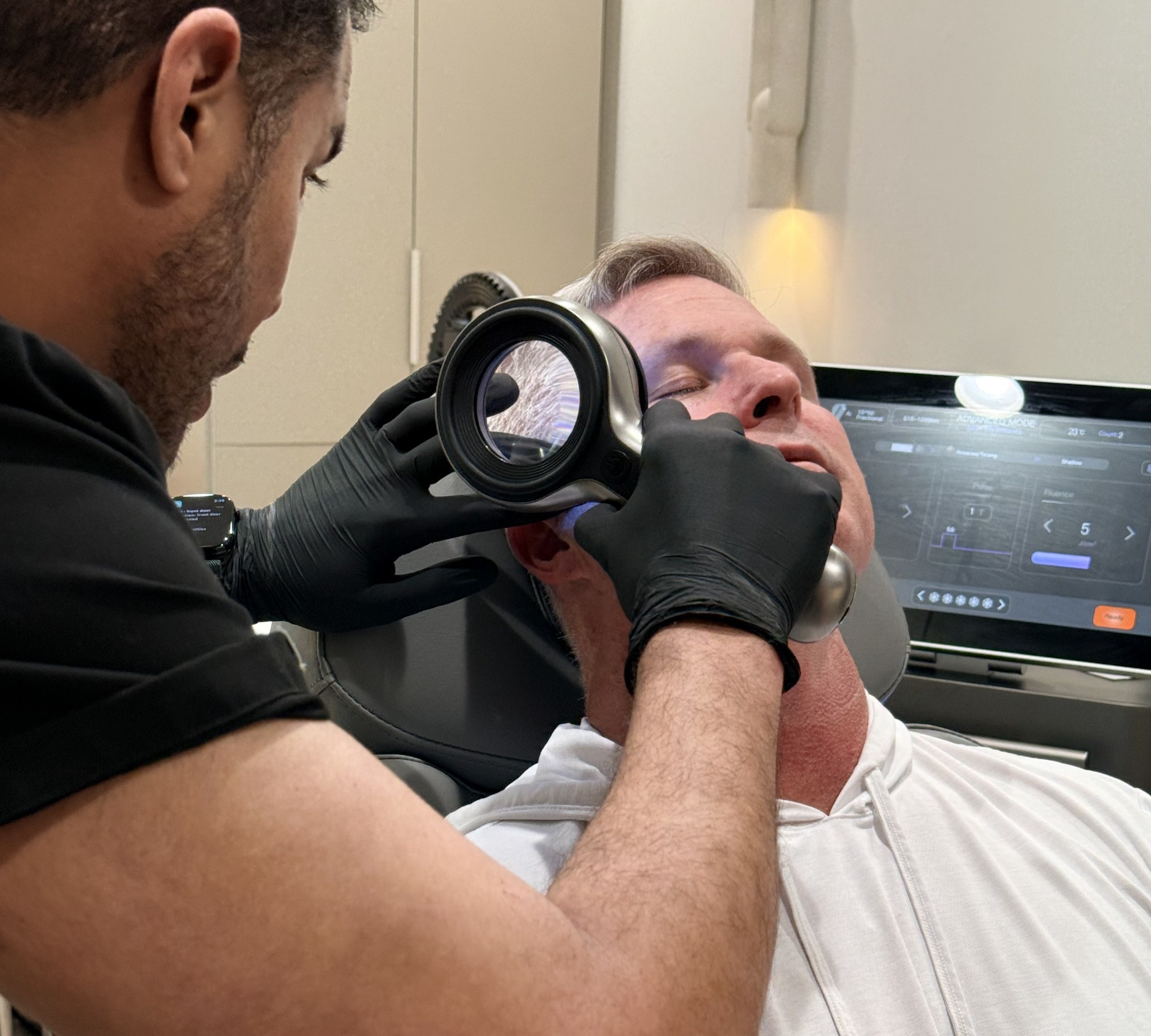
For depressed scars, options may include procedures such as microneedling, laser resurfacing, or techniques that release or treat individual scars. Raised scars may need a different approach, such as injections or other clinician-directed treatment. Often a plan addresses more than one scar type. The most suitable choice depends on the scar’s shape, depth, location, skin tone, medical history, recovery preferences, and risk of pigment change. No treatment is right for everyone.
Treating active acne matters, too. Ongoing breakouts can cause new marks and scars. The AAD generally recommends controlling active acne before starting scar procedures. AAD scar treatment planning Acne and dark marks can often be treated together. If breakouts are deep, painful, persistent, or leaving new scars, seek evaluation from a dermatologist rather than waiting for a cosmetic procedure. AAD acne care for skin of color
Protect your skin while it heals
Use a broad-spectrum sunscreen with SPF 30 or higher, follow its reapplication directions, and add shade or protective clothing. For dark marks, a tinted sunscreen containing iron oxides may provide additional visible-light protection. Avoid picking and harsh scrubs, and tell your clinician if a product causes persistent burning or irritation.
Be cautious with procedures and strong at-home peels. Any procedure that injures the skin can cause unwanted pigment change or scarring. The FDA warns against using certain strong chemical peels without professional supervision because they can cause serious injury. FDA chemical peel warning
Radiofrequency microneedling is a medical procedure, not a home treatment. In an October 2025 safety communication, the FDA said it was aware of reports of serious complications with certain aesthetic uses, including burns, scarring, fat loss, disfigurement, and nerve damage. If it is proposed, ask a licensed, experienced clinician about the specific device, benefits, alternatives, and risks for your skin. FDA RF microneedling safety communication
What to ask at a consultation
Bring a list of medications and skin-care products, note any past pigment changes or raised scars, and share your history of cold sores, recent procedures, and difficulty healing. Helpful questions include:
- Am I seeing color, a change in texture, or both?
- Is my acne controlled enough for the procedure we are discussing?
- What improvement is realistic for my particular scars or marks, and how many visits might be needed?
- What are the risks of pigment change, scarring, and downtime for my skin? What are my alternatives?
At Luxe Arte Aesthetics in Palm Beach Gardens, a consultation can be a starting point for discussing your concerns and whether a particular approach is suitable. Individual assessment matters, and a referral for medical acne care may be appropriate.
This article is for general education and does not replace an individual medical evaluation. Treatment suitability and results vary.
Ready to Learn More?
Schedule a consultation to discuss your aesthetic goals and discover which treatments are right for you.
Book ConsultationMore Articles